What are core values?
Core values are the fundamental principles that guide your decisions, behavior, and priorities in life. They define what truly matters to you, regardless of circumstances or external expectations.
Gain clarity in your career, relationships and major life decisions
Structured assessment used by over 2,000,000 people worldwide • 10-minute thought-provoking process • Instant detailed results • No signup required
Take the Free TestUsed by people at
Microsoft, Electronic Arts, BCG, Google, Capital One, Bayer, Oracle, Salesforce, Chevron, Cisco, HP, Volvo, BMW, Canva, AccorCore values are the fundamental principles that guide your decisions, behavior, and priorities in life. They define what truly matters to you, regardless of circumstances or external expectations.
Core values are important because they provide a consistent basis for making decisions, setting priorities, and evaluating whether you’re living in a way that feels meaningful. When you’re clear about your values, choices become less about what others expect and more about what genuinely matters to you.
The most reliable way is through a structured decision-based process, not casual reflection. Comparing values against each other reveals real priorities and reduces bias.
Values themselves tend to be stable, but their priority order can change due to:
Revisiting your values helps you stay aligned.
Typically:
More than that reduces clarity and decision-making usefulness.
Goals change.
Values remain your long-term compass.
Yes — and this is normal.
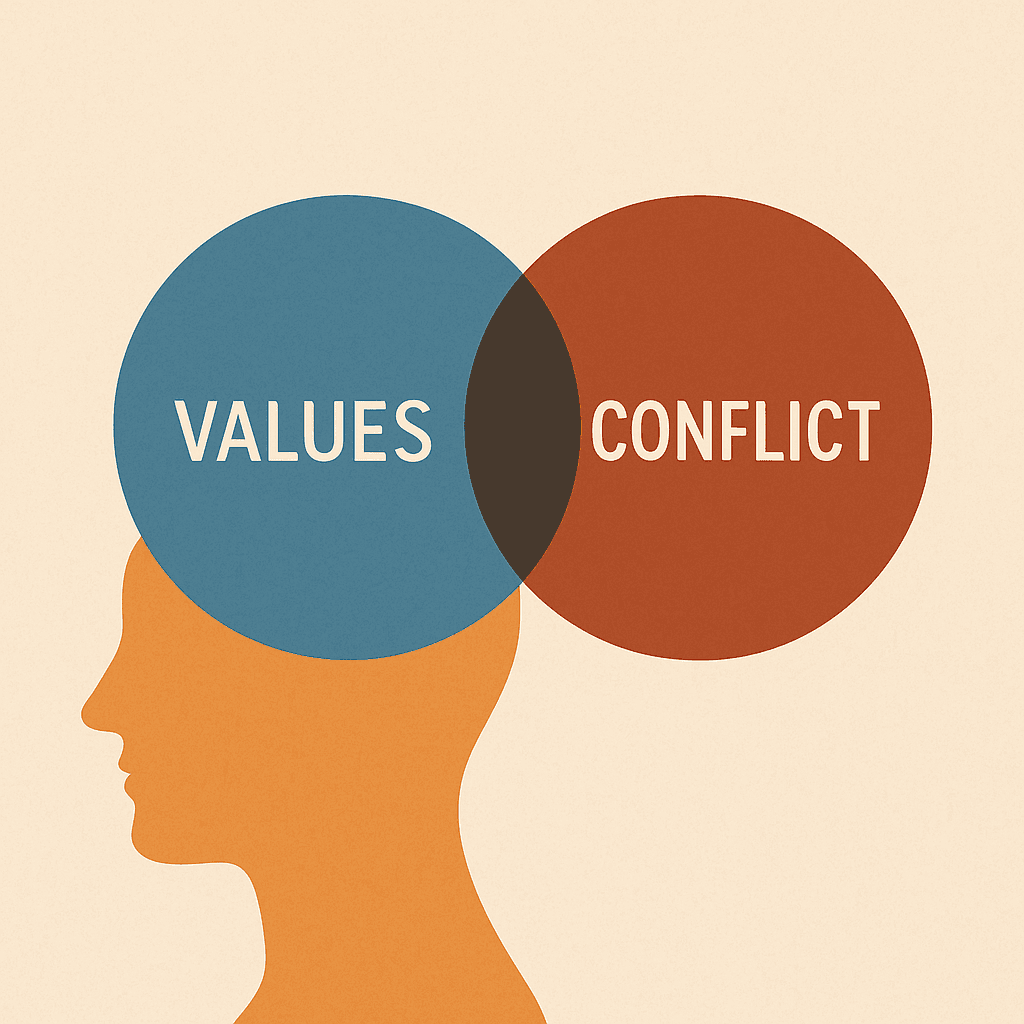
Common conflicts include freedom vs. security or ambition vs. family.
Understanding these tensions leads to clearer, guilt-free decisions.
Strongly. They help you:
The goal is not a “good job”, but a values-aligned career.
There are common value sets, but:
Your values only matter if they reflect your priorities.
They can be — if they rely on forced choices and comparisons, not self-ratings.
The most reliable tests:
You can use them as:
Values are useful only when applied consciously.
Yes. They help you:
Especially during:
Think of it as a personal alignment check.
No.
People with similar personalities can hold very different values.
Start by:
This creates immediate practical insight — not just self-knowledge.